

 Vendor:
EC Council 
 Training Language:
Engels, Nederlands
 Duration:
3 days
 Category:
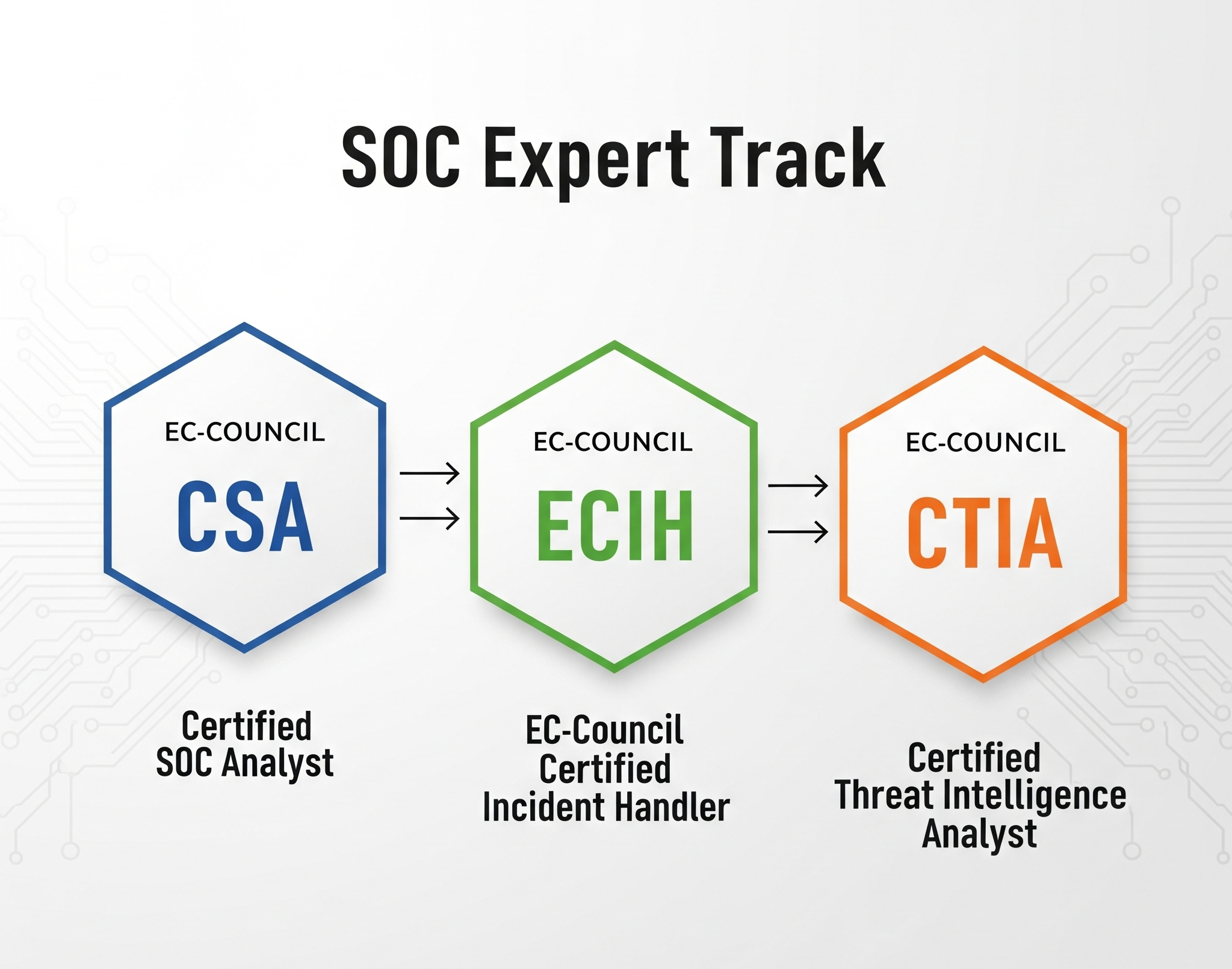
The CTIA training is part of our SOC Expert Track (see actions) consisting of three practical 3-day training courses, through which you are trained as a complete SOC employee at an attractive bundle discount. Of course, the CTIA training can also be taken as a standalone course.

Organizations that want to work proactively on (cyber)security cannot do without Threat Intelligence and Threat Modeling. A Threat Intelligence Analyst is capable of analyzing their IT environment or sensitive information using a structured approach and then securing it against unknown, newly emerging, or still developing threats. Their advice is used to effectively prepare the organization for such dangers or to respond and to timely transform unknown risks into known threats.
The Certified Threat Intelligence Analyst (C|TIA) certification from EC-Council is a comprehensive professional program at a specialist level, focused on the continuously evolving domain of threat intelligence. This program is designed for individuals involved in collecting, analyzing, and disseminating threat intelligence information.
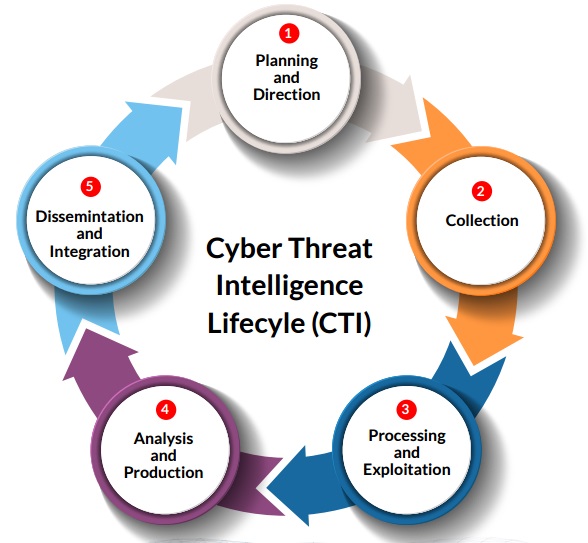
C|TIA covers various topics, including the fundamentals of threat intelligence, the use of threat intelligence tools and techniques, and the development of a threat intelligence program. This course focuses on refining data and information into actionable intelligence that can be used to prevent, detect, and monitor cyberattacks. It encompasses all phases involved in the threat intelligence lifecycle. A focused and realistic approach makes CTIA one of the most comprehensive threat intelligence certifications on the market.
Activities that fall under Cyber Threat Intelligence include reliable data collection from numerous sources, performing relevant analyses for the organization, producing actionable intelligence, and disseminating relevant information to stakeholders. Organizations can defensively improve their security and develop countermeasures for potential threats based on the advice of the Threat Intelligence Analyst who is familiar with both the internal (IT) environment and the possible external dangers.
The CTIA training has been developed in collaboration with international cybersecurity and threat intelligence experts to help organizations identify and mitigate cyber-related business risks by transforming unknown internal and external threats into known dangers. You will learn to keep up with the continuous stream of threats and malware and to proactively defend against them. Using reverse engineering techniques, you will be able to analyze new malware and determine its potential impact. Over 40% of the training consists of 27 practical labs where you gain hands-on experience in using threat intelligence tools, techniques, methodologies, frameworks, scripts, etc.
The CTIA training is classroom-based but can also be attended Live Online if desired. You will then follow the training live from a distance with our own instructor, watch along with the notes on the whiteboard, participate in all labs, and can ask questions to both the trainer and your fellow participants. So actually, it’s just like being present at the classroom training, but from your own location. If the Live Online training did not meet your expectations, you may attend the classroom training again free of charge within a year.
Labs:
● Dataverzameling via zoekmachines, webdiensten, Website Footprinting, Email Footprinting, DNS Interrogation, geautomatiseerde OSINT-tools, Social Engineering-technieken, Cyber Counterintelligence (CCI) technieken, Malware Analysis en Python Scripting
● IoC-dataverzameling via externe bronnen en interne bronnen
● Structureren en normaliseren van verzamelde data
Labs:
● Het uitvoeren van Threat Modeling en Data-analyse
● Het uitvoeren van Complete Threat Intelligence met behulp van Threat Intelligence Tools
Lab:
● Het uitvoeren van Threat Intelligence Reporting en Sharing
Labs:
● Het uitvoeren van Targeted Threat Hunting met behulp van Python Scripts
● Automatisering van Threat Hunting met behulp van Threat Intelligence Tools
Lab:
● Het uitvoeren van Cyber Threat Intelligence met behulp van SOC Threat Intelligence Platforms
The CTIA training is part of our SOC Expert Track (see actions) consisting of three practical 3-day training courses, through which you are trained as a complete SOC employee at an attractive bundle discount. Of course, the CTIA training can also be taken as a standalone course.
Organizations that want to work proactively on (cyber)security cannot do without Threat Intelligence and Threat Modeling. A Threat Intelligence Analyst is capable of analyzing their IT environment or sensitive information using a structured approach and then securing it against unknown, newly emerging, or still developing threats. Their advice is used to effectively prepare the organization for such dangers or to respond and to timely transform unknown risks into known threats.
The Certified Threat Intelligence Analyst (C|TIA) certification from EC-Council is a comprehensive professional program at a specialist level, focused on the continuously evolving domain of threat intelligence. This program is designed for individuals involved in collecting, analyzing, and disseminating threat intelligence information.
C|TIA covers various topics, including the fundamentals of threat intelligence, the use of threat intelligence tools and techniques, and the development of a threat intelligence program. This course focuses on refining data and information into actionable intelligence that can be used to prevent, detect, and monitor cyberattacks. It encompasses all phases involved in the threat intelligence lifecycle. A focused and realistic approach makes CTIA one of the most comprehensive threat intelligence certifications on the market.
Activities that fall under Cyber Threat Intelligence include reliable data collection from numerous sources, performing relevant analyses for the organization, producing actionable intelligence, and disseminating relevant information to stakeholders. Organizations can defensively improve their security and develop countermeasures for potential threats based on the advice of the Threat Intelligence Analyst who is familiar with both the internal (IT) environment and the possible external dangers.
The CTIA training has been developed in collaboration with international cybersecurity and threat intelligence experts to help organizations identify and mitigate cyber-related business risks by transforming unknown internal and external threats into known dangers. You will learn to keep up with the continuous stream of threats and malware and to proactively defend against them. Using reverse engineering techniques, you will be able to analyze new malware and determine its potential impact. Over 40% of the training consists of 27 practical labs where you gain hands-on experience in using threat intelligence tools, techniques, methodologies, frameworks, scripts, etc.
The CTIA training is classroom-based but can also be attended Live Online if desired. You will then follow the training live from a distance with our own instructor, watch along with the notes on the whiteboard, participate in all labs, and can ask questions to both the trainer and your fellow participants. So actually, it’s just like being present at the classroom training, but from your own location. If the Live Online training did not meet your expectations, you may attend the classroom training again free of charge within a year.
Labs:
● Dataverzameling via zoekmachines, webdiensten, Website Footprinting, Email Footprinting, DNS Interrogation, geautomatiseerde OSINT-tools, Social Engineering-technieken, Cyber Counterintelligence (CCI) technieken, Malware Analysis en Python Scripting
● IoC-dataverzameling via externe bronnen en interne bronnen
● Structureren en normaliseren van verzamelde data
Labs:
● Het uitvoeren van Threat Modeling en Data-analyse
● Het uitvoeren van Complete Threat Intelligence met behulp van Threat Intelligence Tools
Lab:
● Het uitvoeren van Threat Intelligence Reporting en Sharing
Labs:
● Het uitvoeren van Targeted Threat Hunting met behulp van Python Scripts
● Automatisering van Threat Hunting met behulp van Threat Intelligence Tools
Lab:
● Het uitvoeren van Cyber Threat Intelligence met behulp van SOC Threat Intelligence Platforms

This training is scheduled as follows in the coming period. Missing a date? Feel free to contact us.
Location: TSTC Veenendaal - Klassikaal & Live Online
Price: € 2.795,- ex BTW
Location: TSTC Veenendaal - Klassikaal & Live Online
Price: € 2.795,- ex BTW
Location: —
This training can also be taken as part of the below learning path(s). If you want to follow multiple titles from a learning path, please contact our advisors for a suitable bundle offer.
Train smarter, not harder. TSTC's unique approach guarantees the effective acquisition of skills and the greatest chance of success.
Learn more about TSTC